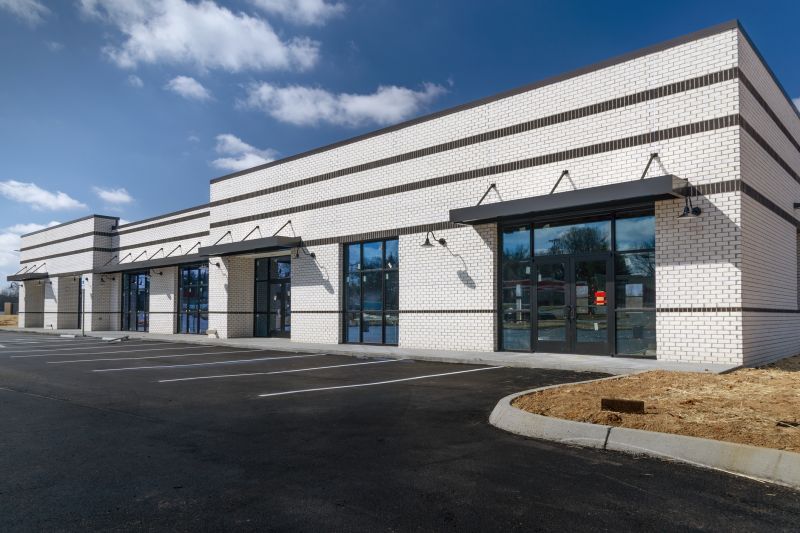
Introduction
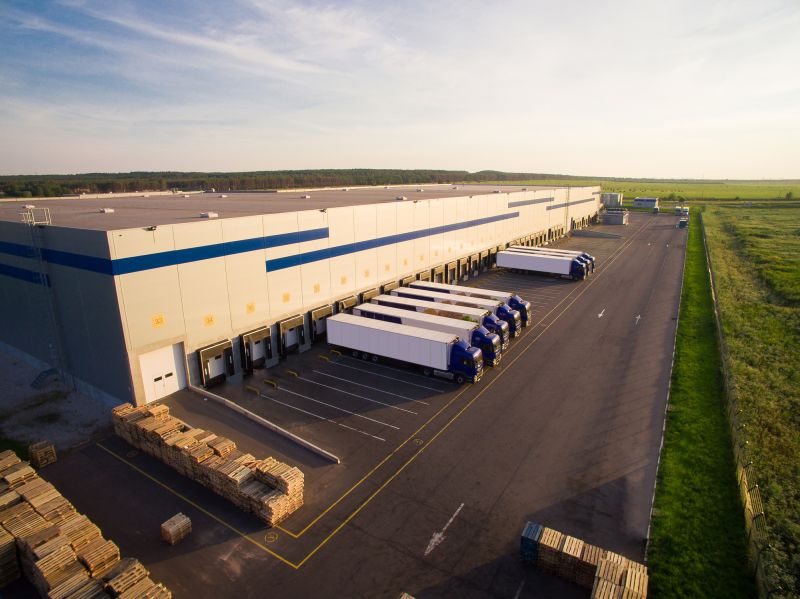
Industrial paving involves the construction and maintenance of roads, parking lots, and other large paved areas. This article will guide you through the step-by-step process of industrial paving to help you achieve a successful and durable result.
Step 1: Planning and Preparation
Before starting any paving project, it's crucial to carefully plan and prepare the area. This includes assessing the site, obtaining necessary permits, and marking out the boundaries. Additionally, you need to consider factors such as drainage, traffic flow, and any underground utilities that may affect the paving process.
Step 2: Excavation
Once the planning stage is complete, it's time to excavate the area. Use heavy machinery, such as excavators and bulldozers, to remove any existing pavement, rocks, or debris. Ensure that the excavation is done to the required depth according to your project specifications.
Step 3: Grading and Compaction
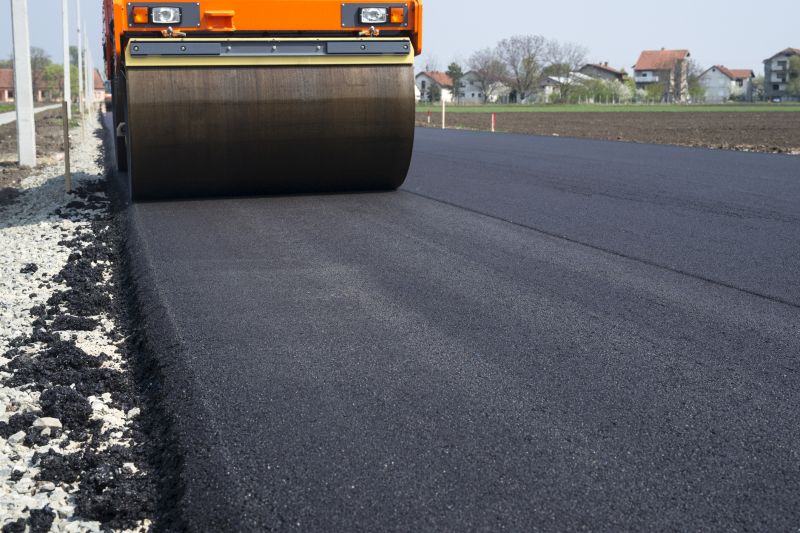
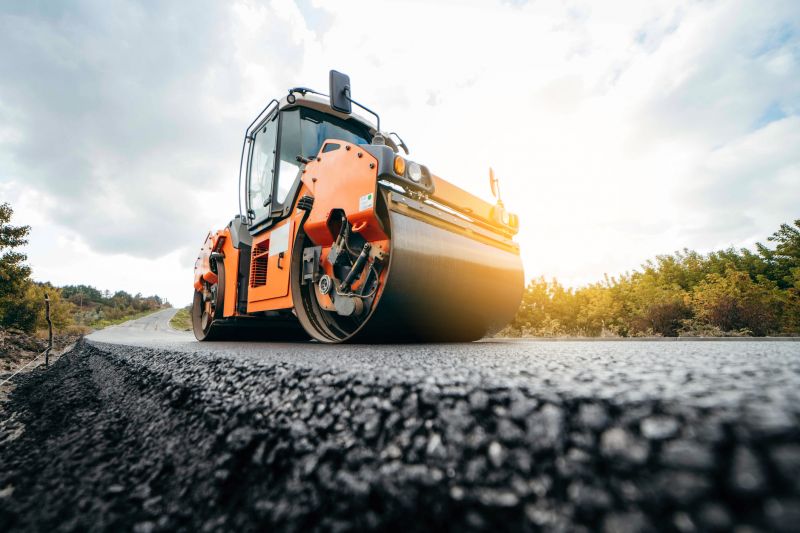
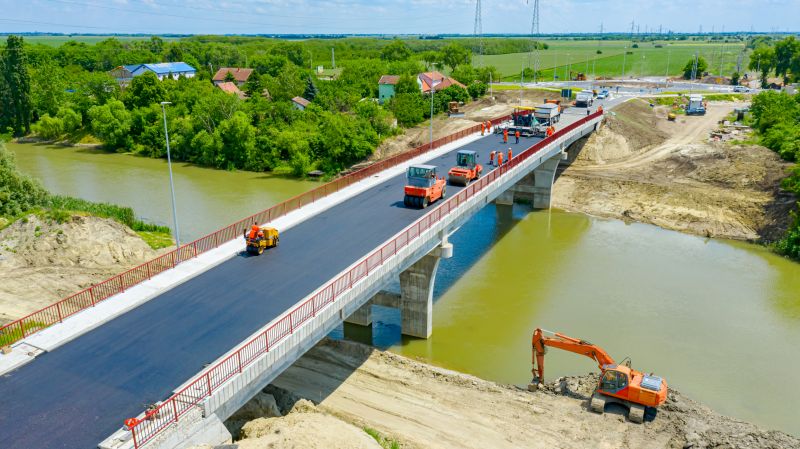
After excavation, the area needs to be properly graded and compacted. Grading involves shaping the surface to ensure proper drainage and smoothness. Compaction is essential to create a stable base for the pavement. Use compactors or rollers to achieve the desired compaction level.
Step 4: Base Installation
The next step is to install the base layer. This layer acts as a foundation for the pavement. It typically consists of crushed stone or gravel, which is spread and compacted evenly across the graded area. Aim for a uniform thickness and ensure proper compaction for stability.
Step 5: Asphalt or Concrete Paving
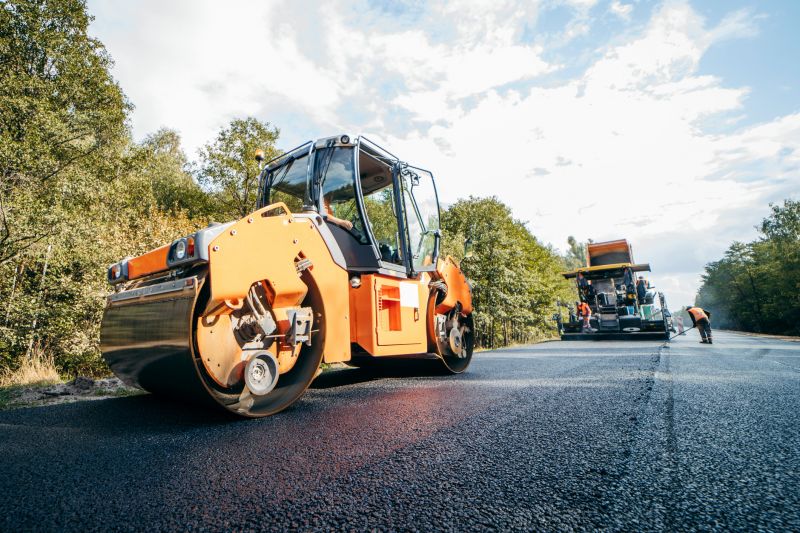
Depending on your project requirements, you can choose between asphalt or concrete for the final paving layer. Asphalt is commonly used for its flexibility and cost-effectiveness, while concrete offers durability and strength. Follow the recommended techniques for laying and smoothing the chosen material, ensuring proper thickness and compaction.
Step 6: Finishing Touches
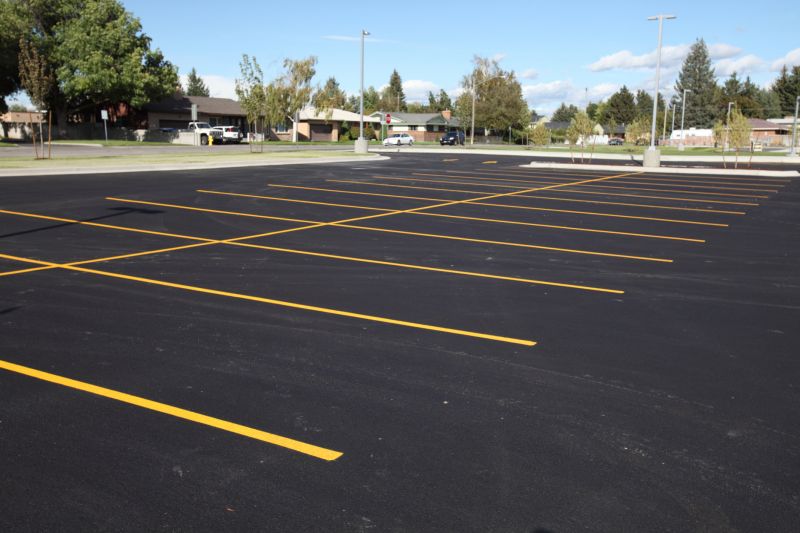
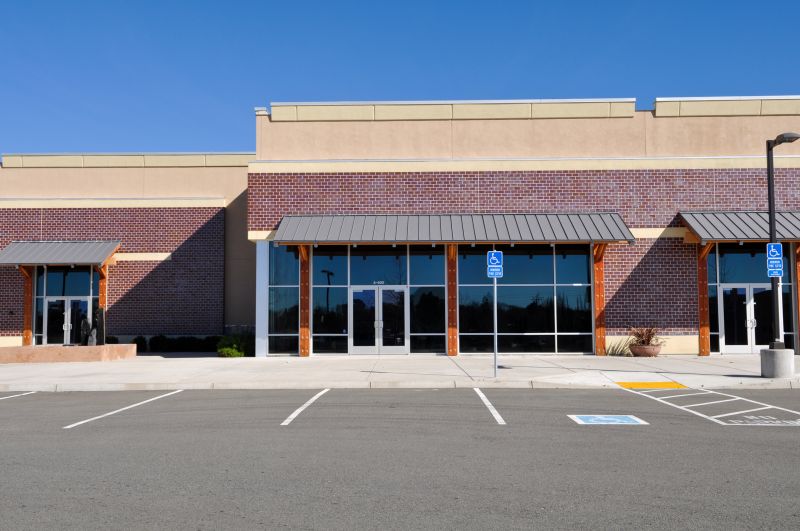
Once the main paving is complete, it's time for the finishing touches. This may include applying sealant or paint for markings, installing curbs or barriers, and ensuring proper drainage systems. Pay attention to the details to achieve a polished and functional final result.
Step 7: Maintenance
Industrial paving requires regular maintenance to ensure its longevity. This includes routine inspections, crack sealing, pothole repairs, and periodic resealing. Stay proactive in maintaining the paved area to minimize future damage and extend its lifespan.
Conclusion
By following these steps, you can successfully complete an industrial paving project. Remember to prioritize proper planning, preparation, and maintenance to achieve a durable and functional paved area.