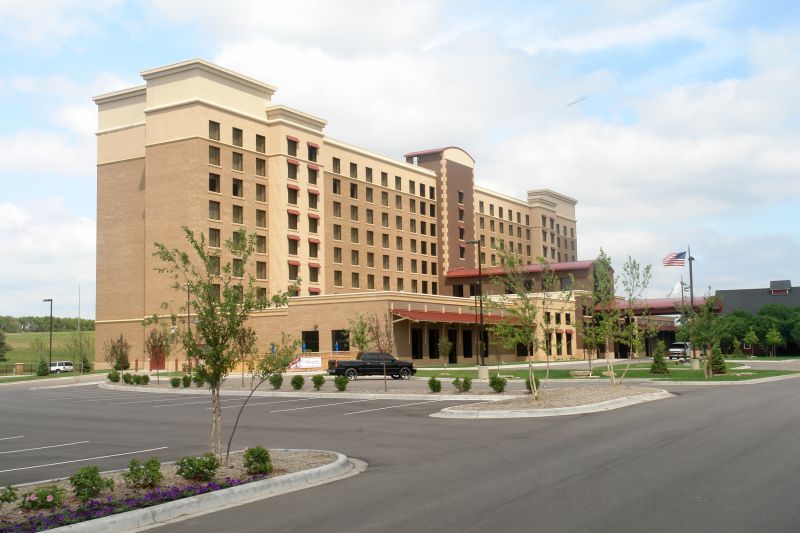
Introduction
Commercial asphalt paving is a process that involves laying a durable and smooth surface for parking lots, driveways, and other commercial areas. This article will guide you through the necessary steps to successfully complete a commercial asphalt paving project.
Step 1: Preparation
Before you begin the paving process, it is crucial to prepare the area properly. This involves clearing the site of any debris, vegetation, or existing pavement. Make sure the ground is level and compacted to provide a stable base for the asphalt.
Step 2: Base Layer
The base layer is essential for providing structural support to the asphalt. Start by applying a layer of aggregate, such as crushed stone or gravel, to the prepared area. Compact the aggregate using a roller or compactor to create a solid foundation.
Step 3: Binder Layer
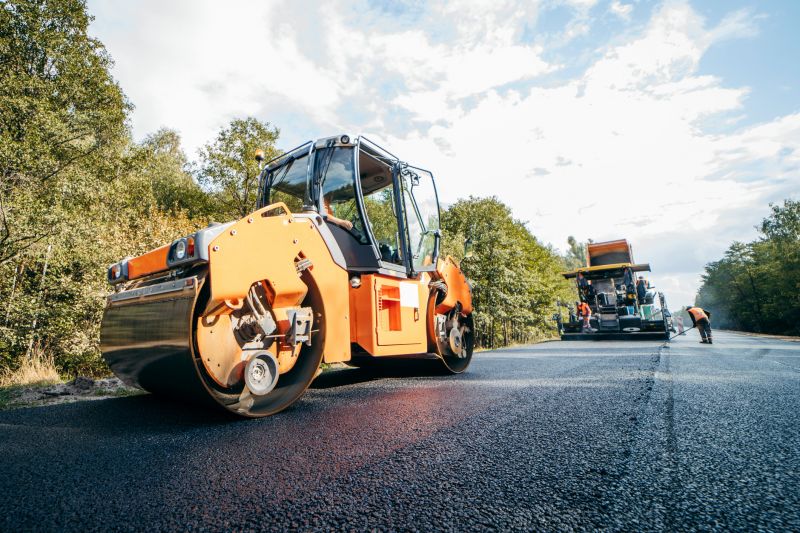
Once the base layer is in place, it's time to add the binder layer. The binder layer consists of a mixture of asphalt and aggregate. Spread the mixture evenly over the base layer using a paving machine or by hand. Compact the binder layer to ensure proper adhesion and stability.
Step 4: Surface Layer
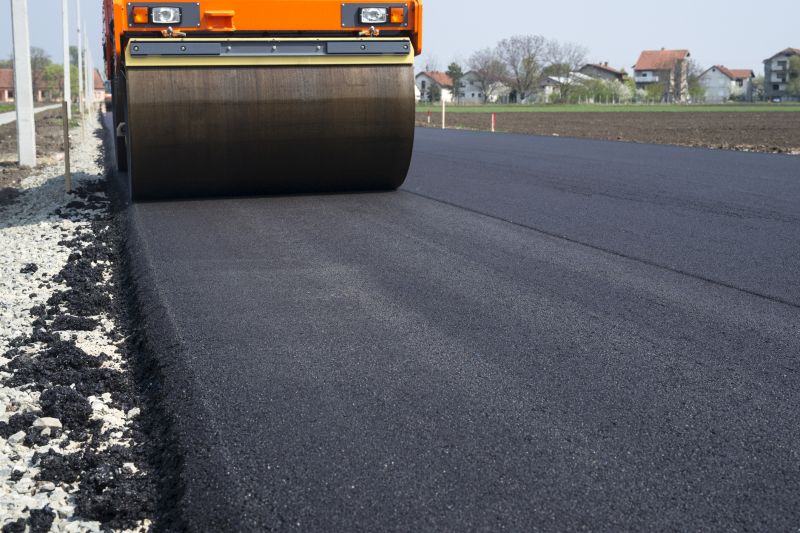
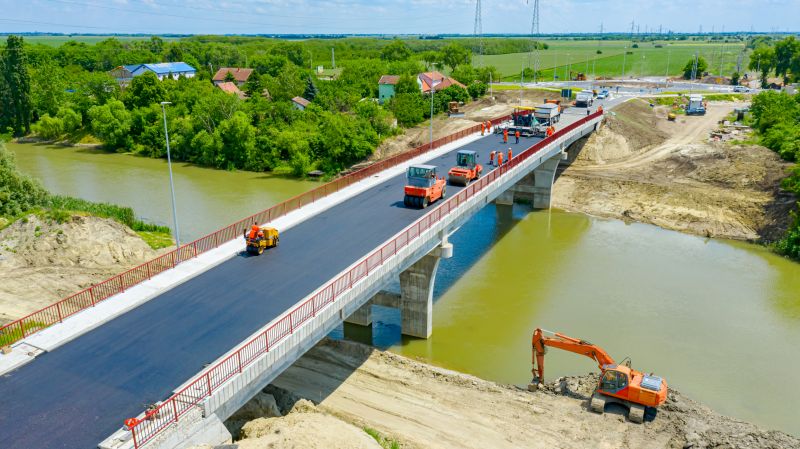
The final step is applying the surface layer of asphalt. This layer consists of a finer mixture of asphalt and aggregate, which will give the pavement a smooth and finished appearance. Spread the surface layer evenly over the binder layer and use a roller to compact it. Pay attention to achieving the desired thickness and smoothness.
Step 5: Finishing Touches
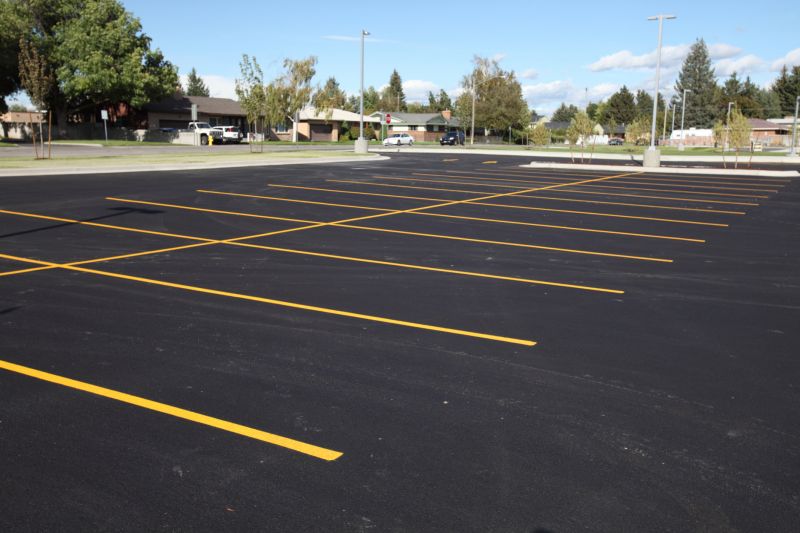
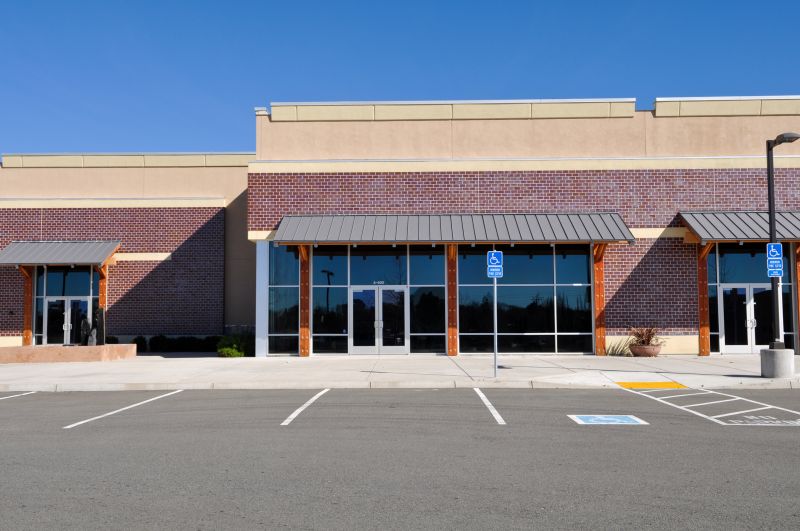
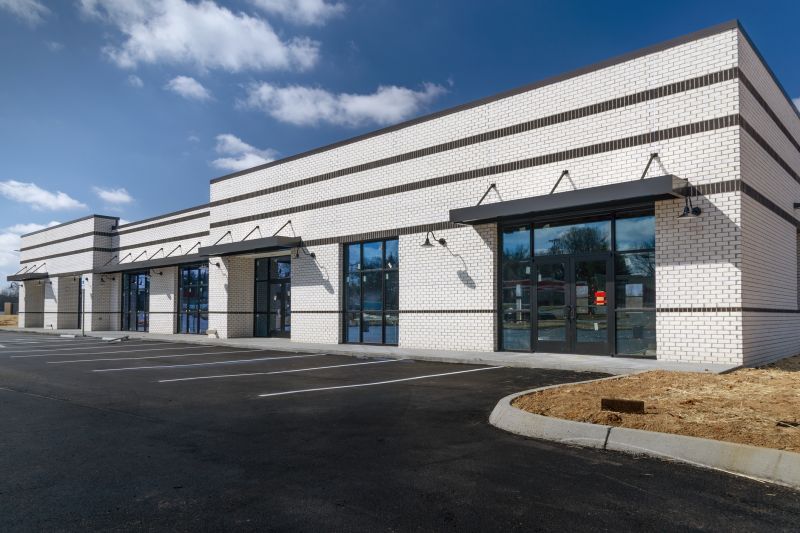
After the asphalt has been laid, it's important to make sure the edges are properly sealed. Use a sealant or hot tar to seal the edges and prevent water infiltration. Additionally, consider adding markings, such as parking lines or symbols, to ensure proper traffic flow and organization.
Conclusion
Commercial asphalt paving requires careful preparation and execution. By following these steps, you can achieve a professional and long-lasting asphalt surface for your commercial property.