Commercial Asphalt Paving vs. Concrete: Which Is Better for Businesses
People searching for commercial asphalt paving installation are usually seeking durable, cost-effective pavement options for their business, and local contractors can help determine which material suits their needs best.
Choosing between commercial asphalt paving and concrete for business properties is a decision many property owners in the area face when planning new installations or upgrades. Understanding the practical differences can help determine which material aligns best with the specific needs of a commercial space, whether it’s a retail parking lot, industrial yard, or office complex. Local contractors specializing in commercial paving can provide valuable insights into how each material performs in terms of durability, maintenance, and overall cost-effectiveness, making it easier for property owners to make informed choices.
As property owners explore options for their paving projects, considering the advantages of commercial asphalt paving installation services can be especially helpful. Asphalt often offers a smooth surface that’s quick to install and easy to maintain, making it a popular choice for busy business environments. Meanwhile, concrete may provide a longer-lasting, more resilient surface in certain applications. Keep reading to learn more about the key factors that influence which material might be the best fit for your business, and how local service providers can support the installation process to meet your specific needs.
- Commercial asphalt paving installation - needed when businesses require durable, smooth surfaces for parking lots and driveways, with local contractors focusing on proper preparation and quality materials.
- Commercial concrete paving - suitable for businesses seeking long-lasting, low-maintenance surfaces, with service providers emphasizing precise finishing and reinforcement techniques.
- Asphalt paving for high-traffic areas - ideal for businesses with heavy vehicle use, where local pros prioritize proper compaction and drainage solutions to extend pavement life.
- Concrete paving for load-bearing surfaces - used when businesses need strong, stable foundations for loading docks or industrial areas, with local contractors ensuring proper curing and reinforcement.
- Comparison consultation services - available for businesses weighing asphalt versus concrete options, where local experts evaluate needs and recommend the best material based on traffic, budget, and longevity.
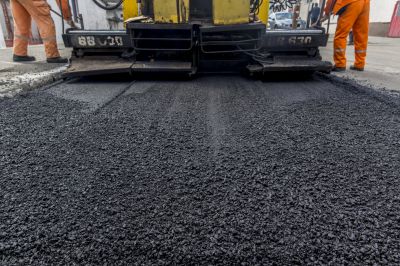
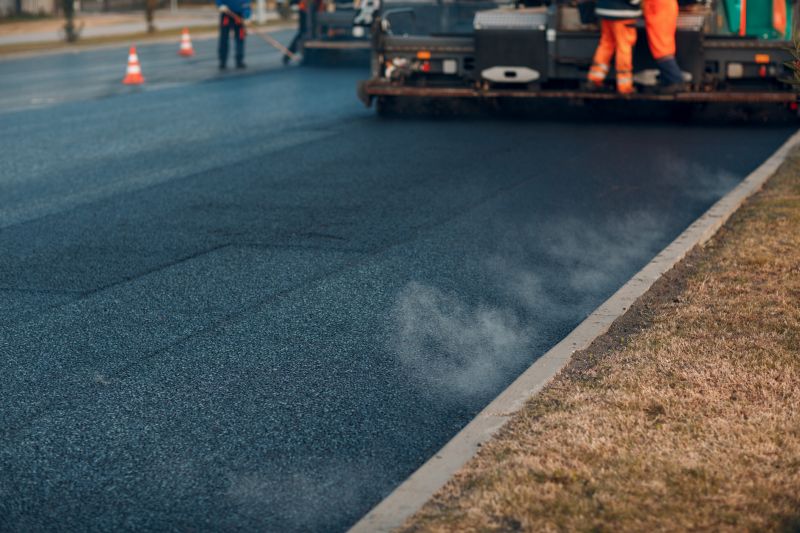
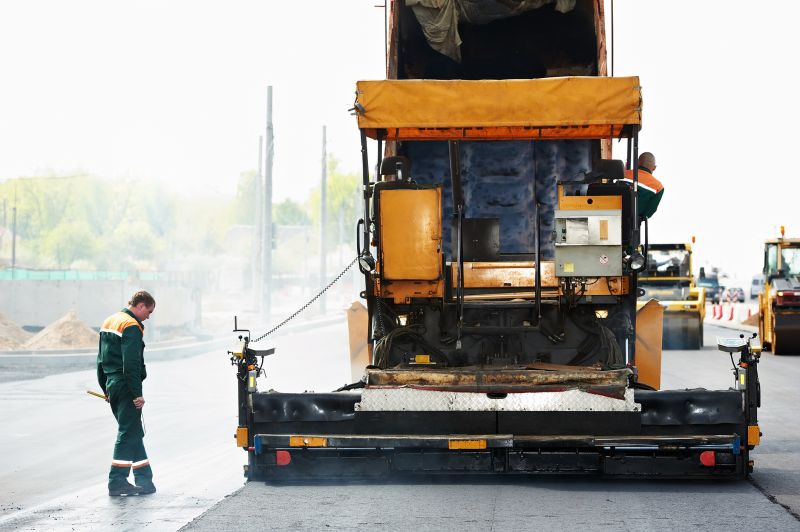
When exploring the topic of commercial asphalt paving versus concrete, most people are trying to determine which material is best suited for their business property’s needs. This question often arises during planning or renovation phases for parking lots, driveways, loading zones, or other paved areas on commercial properties. Business owners and property managers typically consider factors such as durability, cost, maintenance requirements, and the expected traffic volume. The decision-making process involves evaluating how each material performs under various conditions and how well it aligns with the long-term plans for the property’s functionality and appearance.
The comparison between commercial asphalt paving and concrete relates to specific challenges and goals faced by property owners. For example, many want a surface that can withstand heavy vehicle traffic without cracking or deteriorating quickly. Others may be concerned about minimizing downtime during installation or reducing ongoing maintenance costs. Additionally, some plans involve future expansion or modifications, which can influence the choice of material. These considerations are especially relevant for properties with high-traffic areas like retail centers, industrial complexes, or municipal facilities, where the durability and lifespan of the paved surface directly impact operational efficiency.
Properties that typically come into play in this discussion include parking lots, service roads, loading docks, and even certain outdoor commercial spaces. These areas must support frequent vehicle movement and, in some cases, heavy loads. The size and scope of the property can influence which material makes more sense-smaller lots might prioritize cost-effective solutions, while larger facilities may focus on longevity and resilience. Local commercial asphalt paving installation contractors are experienced in assessing these property types and providing guidance on the best material choice based on the specific use case, traffic patterns, and environmental conditions.
Understanding the practical differences between commercial asphalt paving and concrete helps property owners make informed decisions that align with their operational plans. For example, asphalt tends to be quicker to install and more flexible under temperature changes, making it suitable for properties with fluctuating weather or those needing rapid turnaround. Concrete, on the other hand, often offers a longer lifespan and greater resistance to certain types of wear, which might appeal to businesses seeking a more permanent solution. Connecting with experienced local contractors can provide valuable insights into how each material performs in real-world conditions, ensuring that the chosen paving method supports the property’s current use and future growth plans.
Parking Lot Resurfacing - professionals skilled in asphalt and concrete resurfacing can help improve the durability and appearance of commercial parking areas, addressing considerations similar to those in commercial paving projects.
Driveway Construction - local contractors experienced in driveway installation utilize comparable planning, grading, and material selection skills relevant to commercial paving decisions.
Industrial Flooring - specialists who install durable concrete or asphalt flooring for warehouses and factories apply similar techniques and planning as those used in large-scale paving projects.
Sidewalk and Pathway Installation - service providers capable of installing concrete or asphalt walkways rely on skills in site prep and material application akin to commercial paving work.
Roadway Repair and Maintenance - local contractors managing street repairs use comparable tools and planning strategies as those involved in commercial asphalt and concrete paving.
Sports Court Surface Installation - professionals installing asphalt or concrete sports surfaces employ planning and material skills relevant to commercial paving considerations for businesses.
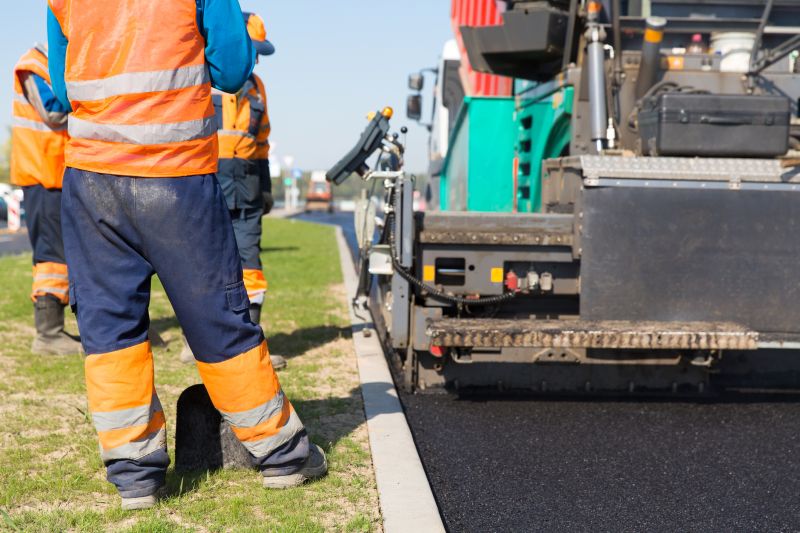
When evaluating commercial asphalt paving installation services, it is important for homeowners to consider the experience of local contractors with similar projects. A contractor’s history of working on commercial properties, parking lots, or driveways can provide insight into their familiarity with the specific demands and standards of business-related paving. Service providers who have handled projects comparable in size and scope are more likely to understand the nuances involved in commercial asphalt paving versus concrete and can help ensure the work aligns with the needs of the business. An experienced contractor can also offer practical advice based on past projects, aiding in making an informed decision about which material-whether asphalt or concrete-best suits the property’s usage and long-term goals.
Clear written expectations are a vital aspect of choosing the right service provider for commercial paving projects. Homeowners should seek out contractors who can provide detailed proposals that outline the scope of work, materials to be used, and the responsibilities involved in the installation process. This clarity helps prevent misunderstandings and ensures that both parties are aligned on project outcomes. When comparing local contractors, it is beneficial to look for those who communicate their process transparently and are willing to address questions or concerns. Well-documented expectations also serve as a reference point throughout the project, making it easier to assess whether the work is progressing according to plan and whether the chosen material-whether asphalt or concrete-is appropriate for the specific application.
Reputable references and solid communication are key indicators of a dependable commercial paving service provider. Homeowners should inquire about previous clients or projects similar in scope to their own to gauge the contractor’s track record. Positive references can provide reassurance about the quality of work and professionalism, while open lines of communication ensure that any issues or changes can be addressed promptly. A contractor who maintains clear, ongoing dialogue is more likely to deliver a smooth installation process and meet the expectations of the business owner. By prioritizing these qualities, property owners can feel more confident in selecting a service provider capable of handling the complexities of commercial asphalt paving versus concrete, ultimately supporting a durable and functional surface for their business needs.
Property owners often search for commercial asphalt paving vs. concrete: which is better for businesses when they are planning practical projects around their homes and businesses. Local pros provide Commercial Asphalt Paving Installation services for everyday jobs and straightforward project options.
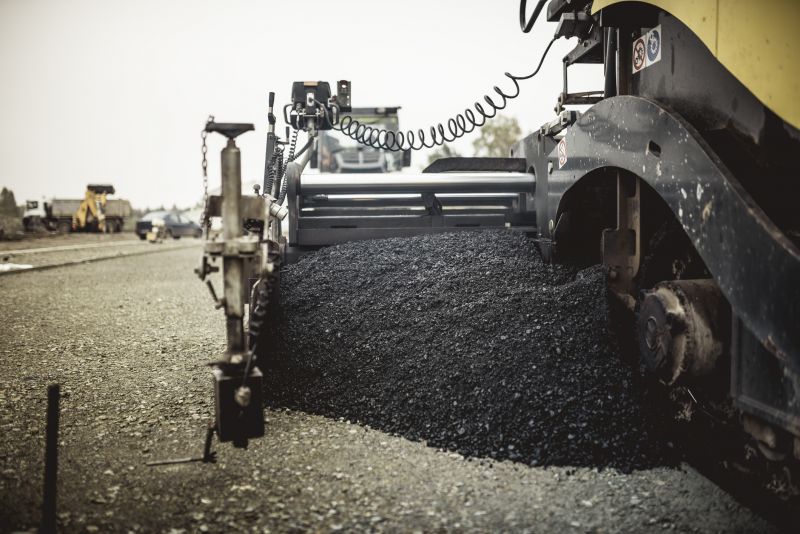
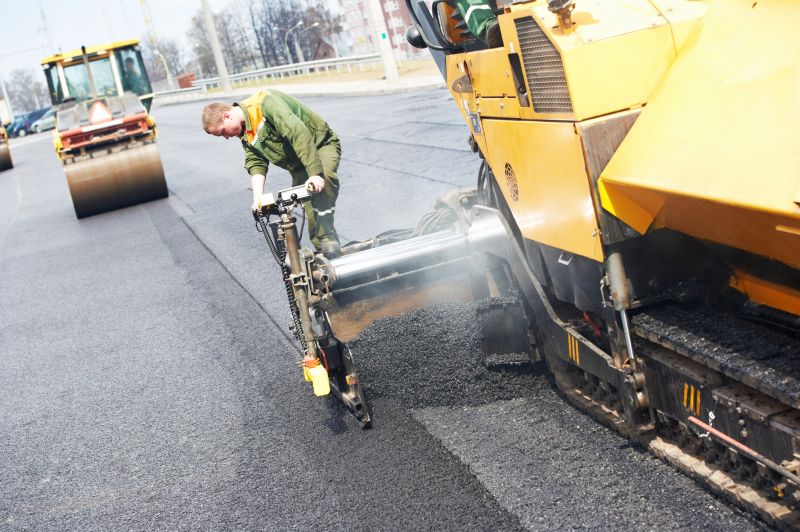
When considering options for commercial paving projects, property owners often compare asphalt and concrete to determine which material best suits their business needs. Asphalt tends to be favored for its quick installation and ease of repair, making it a practical choice for parking lots and driveways that require frequent maintenance or adjustments. Concrete, on the other hand, offers durability and a longer lifespan, which can be advantageous for high-traffic areas that need to withstand heavy loads over time. Local contractors can provide insights into how each material performs in everyday situations, helping property owners make informed decisions based on their specific usage patterns and long-term goals.
For businesses evaluating commercial asphalt paving versus concrete, the decision often hinges on factors like cost, installation time, and future maintenance. Asphalt installations typically allow for faster completion, which can minimize disruption to daily operations, while concrete may involve a longer initial process but could reduce ongoing repair needs. Local service providers are experienced in handling both types of projects and can advise on which material aligns best with the property's functional demands and budget considerations. Connecting with these local experts ensures that the chosen paving solution is suitable for the property's unique requirements, supporting smooth and reliable business operations.
What are the main differences between commercial asphalt paving and concrete for business properties? Commercial asphalt paving typically offers quicker installation and easier maintenance, while concrete provides greater durability and a longer lifespan. Local contractors can help determine which material suits a specific business's needs based on usage and location.
Which material is more suitable for high-traffic areas in commercial settings? Asphalt is often preferred for high-traffic areas due to its flexibility and ability to withstand heavy loads, whereas concrete can also be used but may require more frequent repairs or reinforcement. Local service providers can assess the site to recommend the best option.
Are there differences in maintenance requirements between asphalt and concrete for commercial properties? Yes, asphalt generally requires periodic sealing and crack repairs, while concrete may need joint resealing and occasional patching. Local contractors can provide guidance on ongoing maintenance needs for each material.
How do durability and lifespan compare between commercial asphalt paving and concrete? Concrete usually has a longer lifespan and can last several decades with proper care, whereas asphalt may need resurfacing or repairs sooner but can be more cost-effective initially. Local paving experts can evaluate which material best fits the business's longevity expectations.
Can local paving contractors help decide which material is better suited for a specific commercial project? Yes, experienced local service providers can assess the project's requirements, traffic patterns, and environmental conditions to recommend whether asphalt or concrete is more appropriate for the business’s needs.
Assessing durability needs - Property owners can evaluate whether their business requires a surface that withstands heavy traffic or frequent use when choosing between commercial asphalt paving and concrete.
Considering maintenance requirements - Deciding how much ongoing upkeep is manageable helps determine if a more durable or easier-to-repair surface aligns with operational needs.
Analyzing budget constraints - Business owners might compare initial installation costs and long-term expenses to select the material that offers the best value for their project.
Matching project timelines - Understanding installation speed and curing times can influence whether asphalt or concrete is better suited for the business’s scheduling priorities.
If you are thinking about commercial asphalt paving vs. concrete: which is better for businesses for a property, this guide is meant to help you understand this topic, the typical project types, and how different options might fit your plans.
When you are ready, you can use the quote form on this page to share a few details about your project. From there, local pros can review the basics and follow up with options that match what you have in mind.